What to Grow & What to Buy: A Thoughtful Way to Start a Garden
Gardening advice is everywhere. Lists of must-have tools, seed catalogs full of possibility, and endless opinions about what you should be planting, building, or buying before you even begin.
Most of it assumes more space, more time, and more energy than most people actually have.
A better place to start is simpler:
What’s worth growing, and what’s worth buying?
That question has guided how I think about gardens now, and it’s rooted in how I grew up.
A Simple Place to Start
If you want a clearer starting point, I put together a short guide called What to Grow & What to Buy. It’s a calm, practical way to decide what’s worth growing and what’s worth buying, without the overwhelm.
A Garden Built Over Time
Some of my earliest memories live in the backyard. Tomato vines heavy with fruit. Cucumbers tucked beneath broad leaves. Herbs brushing your hands as you passed by. My grandpa was the one who started the garden, and he still tends his own today. He’s the kind of person who shares articles about tomato plants and gardening news, always learning, always paying attention.
My mom carried that tradition forward at home for more than a decade. She’s the reason our summers stayed full of tomatoes, eggplant, peppers, and more than we could ever eat at once. Watching her tend the garden taught me something important early on: growing food is less about control and more about consistency. You show up, you care for it, and you let it become what it’s meant to be.
That philosophy stuck with me, even as my own garden looks a little different now.
Grow What You’ll Actually Use
One of the biggest reasons people give up on gardening is overwhelm. Too many plants. Too many decisions. Too much pressure to do it “right.”
In reality, the most satisfying gardens are often the simplest ones.
If you’re growing vegetables, start with familiar, reliable staples. Tomatoes, cucumbers, peppers, zucchini, eggplant. These are plants that tend to give back generously when cared for, and they’re easy to use once they’re harvested.
Herbs are another gentle entry point. Rosemary, thyme, basil, mint, lemon balm. These work just as well in a backyard bed as they do in a pot by a sunny window. They show up in everyday cooking, in tea, and in quieter rituals that make daily life feel more intentional.
A garden doesn’t need variety for the sake of variety. It needs plants you’ll reach for again and again.
Buy Fewer, Better Tools
It’s easy to assume that starting a garden means buying everything at once. Full tool kits, specialty gadgets, decorative planters that look good but don’t actually work very well.
The truth is, you don’t need much to get started.
A solid hand trowel. Pruners that feel good in your hand. Gloves you’ll actually wear. A watering can or hose you don’t mind reaching for. Containers that drain properly.
If a tool makes gardening feel easier and more inviting, it’s worth owning. If it feels complicated before it feels useful, it can wait.
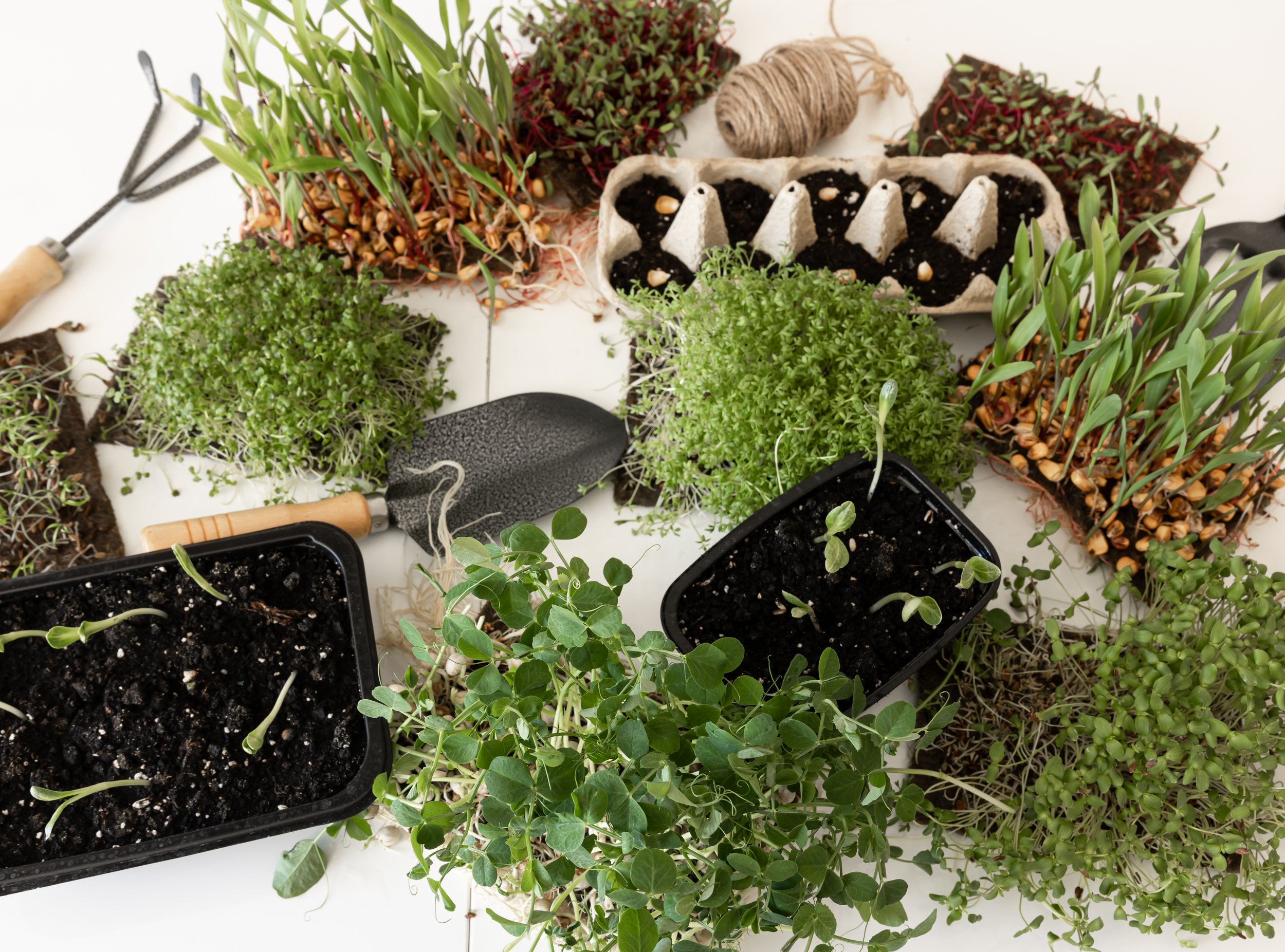
Buying fewer, better tools doesn’t just save money. It makes tending your garden feel calmer and more approachable, which is what keeps you coming back.
There’s More Than One Right Way to Garden
Some people love a working vegetable garden. Raised beds, backyards, containers on a patio. Others find their rhythm in a smaller herb garden tucked into daily life. Windowsills, balconies, or quiet corners outdoors.
Both matter. Both count.
A garden doesn’t have to be large to be meaningful. It just has to fit the way you live.
A Simple Place to Start
I put together a short guide called What to Grow & What to Buy for anyone who wants a clear, thoughtful starting point without the noise. It walks through beginner-friendly plants, tools that are actually worth owning, and two simple ways to start a garden, whether you have a full backyard or just a bit of light by the window.
You can download the guide below if you’d like a calm place to begin.
And if you’re ready to explore the tools, vessels, and essentials we actually use, you’ll find them all inside The Garden Edit. Nothing is added unless it earns its place.
Gardens aren’t rushed. The best ones never are.