Herbs for Everyday Use: Cooking, Teas, and Quiet Rituals
Herbs don’t need to be rare or complicated to be meaningful.
The ones I return to most often are the simplest: plants I can grow, touch, and use regularly. They show up in meals, in tea, and in small, quiet moments that make a day feel more grounded. Over time, those repetitions matter more than any elaborate setup ever could.
This is not a guide to exotic ingredients or perfect practices. It’s about everyday use. The kind that fits naturally into real life.
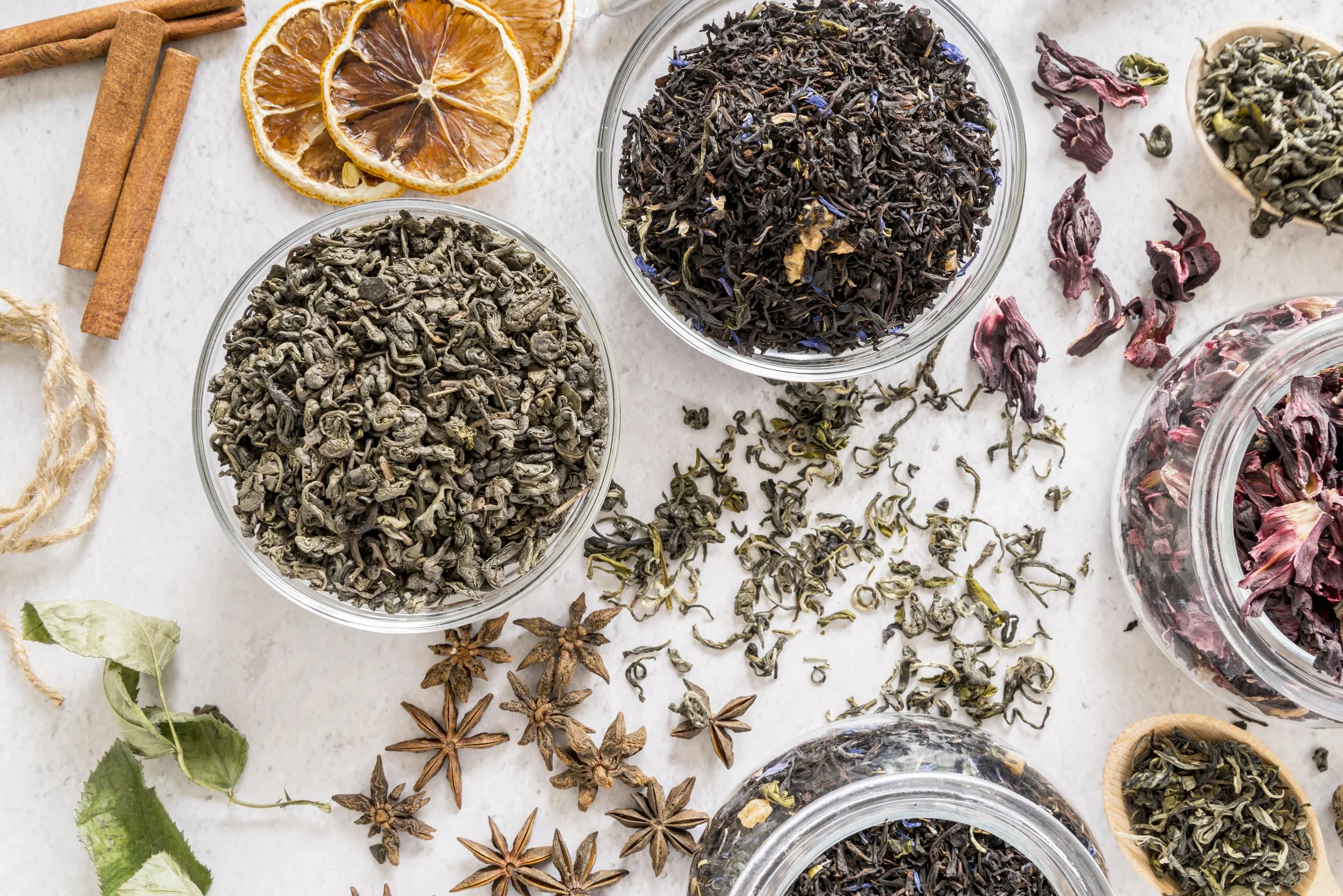
The Herbs You Actually Reach For
There’s a difference between herbs that sound good on paper and herbs you genuinely use. The most powerful ones tend to be familiar, forgiving, and easy to reach for without thinking too hard.
Rosemary, thyme, basil, mint, lemon balm, lavender. These are plants that earn their place not because they’re trendy, but because they integrate easily into daily routines. They grow well, store well, and don’t demand constant attention to be useful.
When you build a small herb collection around use instead of aspiration, it stops feeling like a project and starts feeling like part of the rhythm of your day.
Herbs in the Kitchen
For me, the kitchen is where most herbs naturally belong.
Rosemary and thyme end up in everyday cooking, grounding meals and adding depth without effort. Basil marks the seasons, reminding you when summer is truly here. Mint slips easily into both savory dishes and something as simple as a glass of water.
These are herbs that don’t require a plan. They just need to be close enough to use.
Herbs for Tea and Comfort
Some herbs exist less for flavor and more for care.
Lemon balm, chamomile, and mint are the ones I reach for when the day needs softening. A single cup of tea can become a pause. Not a ritual you have to perform, just a moment you allow yourself to take.
You don’t need a cabinet full of blends. One or two herbs you genuinely enjoy is enough.
Quiet Ritual, Without Performance
Ritual doesn’t need to be dramatic. Often it’s just repetition, attention, and intention.
Lighting a candle. Making tea the same way each evening. Brushing past a plant and taking a moment to notice how it’s growing. Herbs like rosemary, lavender, and mint carry long histories of symbolic meaning, but they don’t require anything formal to be felt.
When used gently, they become anchors rather than actions.
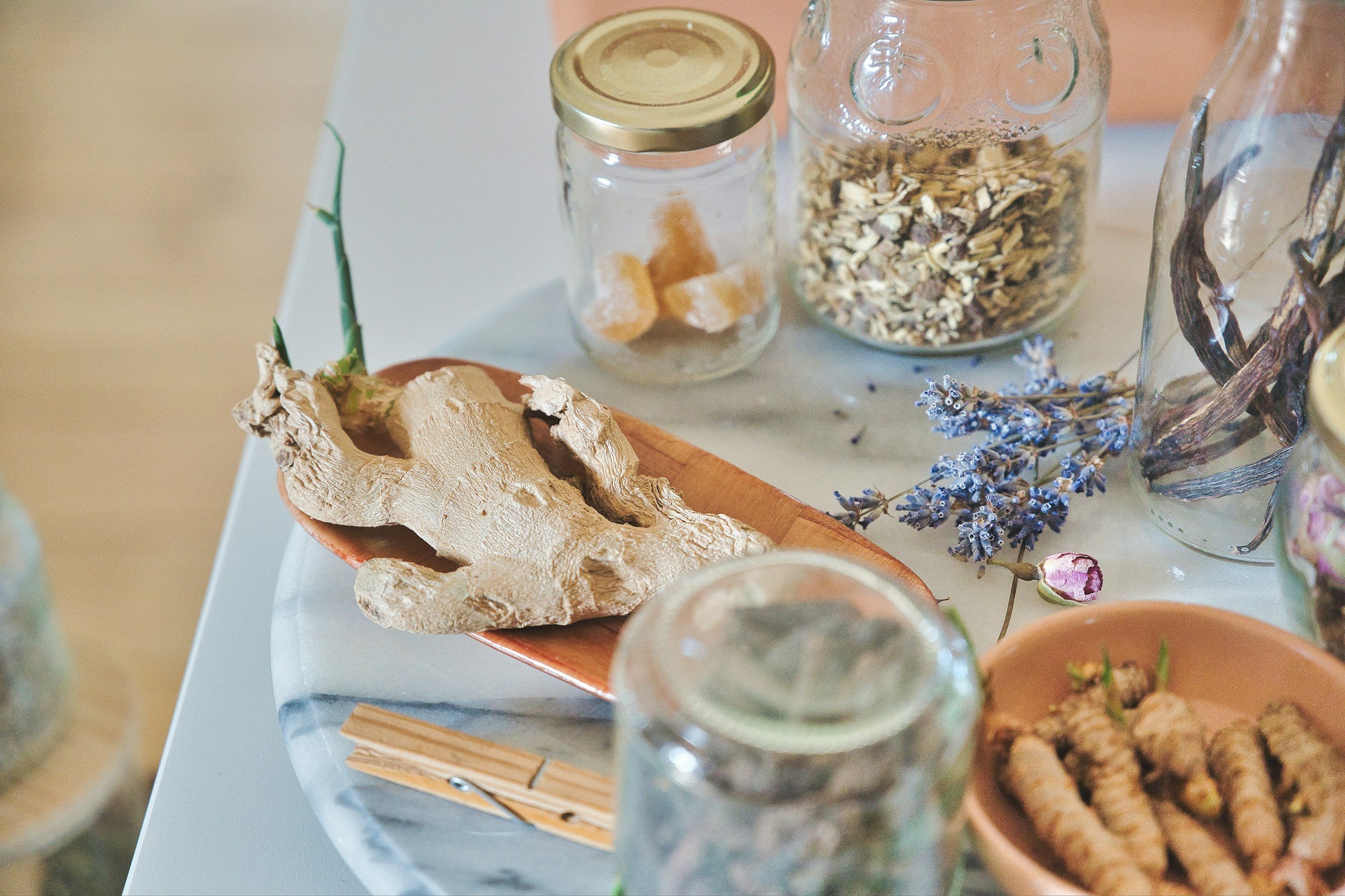
A Simple Guide to Everyday Herbs
I put together a short guide called Herbs for Everyday Use for anyone who wants a more grounded approach to herbs. It focuses on a small selection of plants that work across cooking, tea, and quiet ritual, without pressure or complexity.
The guide is meant to feel like an exhale. Something you can return to, rather than something you have to finish.
If herbs have ever felt overwhelming or overly performative, this is a calmer place to start.
Where These Herbs Live
The herbs in the guide are the ones I grow and use most often. The tools, vessels, and everyday essentials that support them live inside The Garden Edit — a curated collection built around use, not excess.
Nothing is added unless it earns its place.
If you’d like a simple starting point, you can download the Herbs for Everyday Use guide below.